The history behind tattoos
Tattooing is one of the oldest forms of human expression. Its history goes back more than 5,000 years, long before tattoos became a form of art or fashion. Across different cultures, tattoos have been used to tell stories, mark important milestones, represent beliefs, and create a sense of identity. While the styles and techniques have changed over time, the idea behind getting a tattoo has remained surprisingly similar.
The earliest known evidence of tattooing comes from Ötzi the Iceman, a naturally preserved mummy discovered in the Alps. His body had more than 60 tattoos made up of simple lines and crosses. Many of these were found near joints, which has led researchers to believe they may have been used for pain relief or healing rather than decoration.
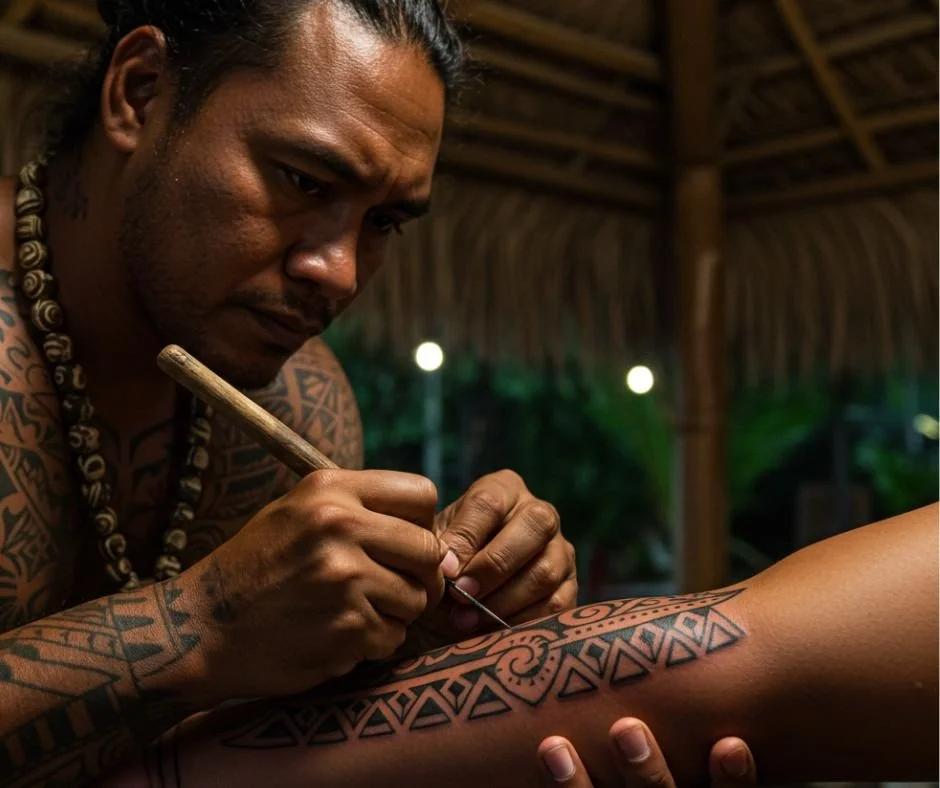
As civilizations grew, tattooing took on different meanings. In ancient Egypt, tattoos were believed to offer protection and held spiritual significance. In Polynesian culture, tattooing became a deeply respected tradition where every pattern represented family, courage, achievements, and social status. Even the word "tattoo" comes from the Polynesian word tatau, which means "to mark."
Japan developed its own unique tattoo tradition known as Irezumi. These detailed designs often covered large parts of the body and featured dragons, koi fish, samurai, and other symbolic imagery. In Europe, tattoos became popular among sailors and explorers who used them to remember their journeys, represent loyalty, or simply bring home a piece of the places they had visited.
The modern tattoo industry took a huge step forward in 1891 when Samuel O'Reilly patented the first electric tattoo machine. It made the process quicker, more precise, and opened the doors for professional tattoo studios to grow around the world.
Today, tattoos are more accepted than ever. People from every profession and every walk of life choose to get tattooed. Some get tattoos to remember loved ones. Others use them to celebrate important moments, express their personality, or simply wear artwork they connect with.
What makes tattooing so special is not just how old it is, but how personal it has always been. Trends will come and go, and styles will continue to evolve, but a meaningful tattoo never really goes out of style. It becomes part of your story, carried with you for life. That's what has kept the art of tattooing alive for thousands of years, and it's what will keep it alive for generations to come.